Iran After Khamenei: Hopes for Regime Change Amidst Conflict
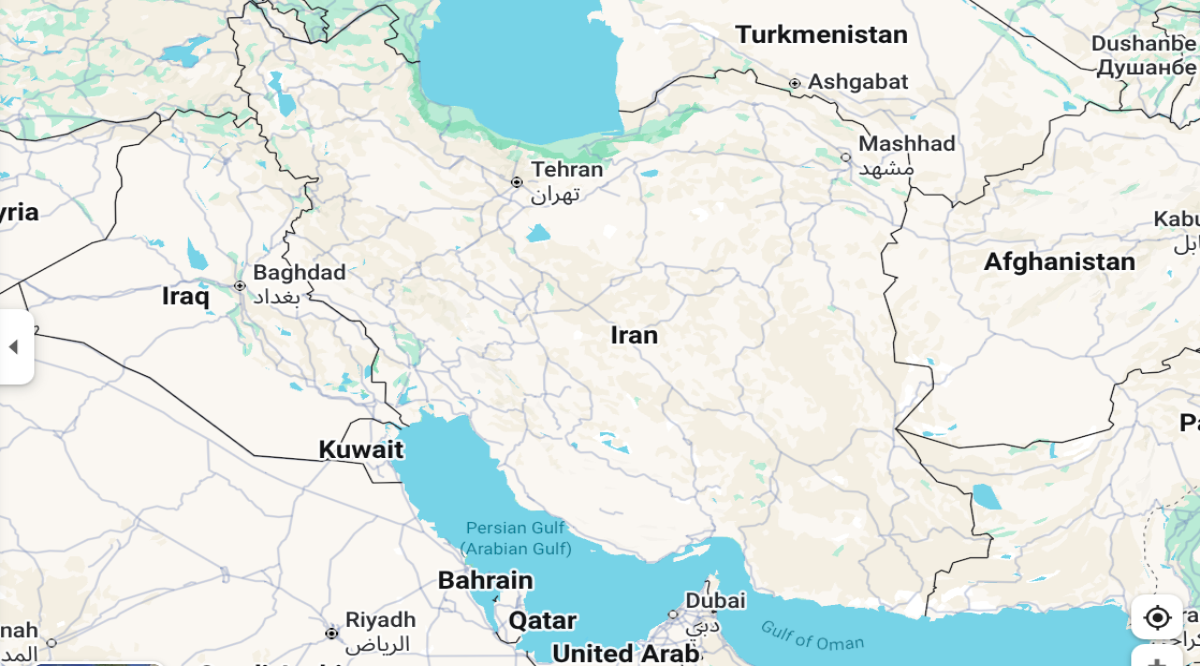
The Middle East, a region perpetually at the nexus of geopolitical tensions, finds itself grappling with an even more volatile landscape following recent dramatic developments involving Iran. Reports surrounding the passing of Iran's Supreme Leader Ali Khamenei have ignited a complex mix of jubilant reactions among Iranian expatriates and dissidents, alongside profound concerns about the future of the Islamic Republic and its immediate impacts of the Iran conflict on regional stability and international dynamics. This pivotal moment unfolds amidst a backdrop of escalating military actions, raising critical questions about a potential regime change and the far-reaching iran krieg auswirkungen.
From the jubilant streets where Iranian communities abroad celebrated a potential shift, to the war rooms where global powers weigh their next moves, the world watches with bated breath. This article delves into the intricate situation in Iran, exploring the immediate aftermath of Khamenei's reported departure, the ongoing conflict, its global repercussions, and the fragile hopes for a new chapter in Iranian history.
The Passing of an Era: Khamenei's Legacy and Public Reaction
Ali Khamenei, who served as Supreme Leader of Iran for over three decades, cast a long shadow over the nation's political and social fabric. His rule was characterized by a staunch adherence to revolutionary principles, a confrontational stance towards Western powers, and a tight grip on internal dissent. His tenure saw Iran develop its nuclear program, expand its regional influence through proxy groups, and face crippling international sanctions.
The news of his death, as reported in some circles, was met with a stark dichotomy of emotions. While official Iranian media likely portrayed a period of national mourning, many Iranians both within the country and in diaspora communities, including those in Germany, expressed profound relief and even outright celebration. For these individuals, Khamenei's passing symbolizes the potential end of an era of repression, economic hardship, and international isolation. The jubilation underscores a deep-seated yearning for change, a hope that the rigid structures of the Islamic Republic might finally begin to crumble, paving the way for a more open and democratic future.
However, the succession plan for the Supreme Leader is meticulously crafted to ensure the continuity of the regime. The Assembly of Experts, a body of 88 clerics, is constitutionally responsible for selecting the next leader. While there's always a possibility of internal power struggles, the regime's institutional resilience, as demonstrated by its meticulous planning for such contingencies, suggests a high likelihood of a smooth, albeit perhaps contentious, transition designed to maintain the existing power structure.
Escalating Conflict: A Region on Edge
The reported end of Khamenei's era coincides with an acute intensification of military activities in the Middle East. Recent days have witnessed a significant escalation, with reports indicating coordinated strikes by Israel and the United States against targets within Iran. These attacks, reportedly aiming at specific military infrastructure and strategic assets, were met with swift retaliation from Tehran, which in turn launched its own offensive targeting Israeli interests and U.S. military bases in the region. The immediate iran krieg auswirkungen are palpable, generating widespread fear of a full-blown regional war.
The U.S. and Israel have consistently voiced concerns over Iran's nuclear ambitions and its support for various proxy groups, which they view as destabilizing forces. Iran, conversely, perceives these strikes as acts of aggression and violations of its sovereignty, vowing firm responses. This cycle of attack and retaliation threatens to pull neighboring countries and global powers deeper into the conflict, raising the specter of severe humanitarian crises and widespread displacement.
The Regime's Preparedness for Continuity
Even before these recent escalations and reports of Khamenei's passing, the regime in Tehran had been meticulously preparing for various contingencies, including a potential U.S. attack or the death of its Supreme Leader. According to sources, the Supreme Leader himself had issued directives to ensure the survival and seamless functioning of the Islamic Republic in such scenarios. These precautions highlight the regime's deep-seated concern for its longevity and its determination to withstand external pressures and internal transitions. The goal is to minimize the internal consequences of the Iran conflict on its governance structure, ensuring that the wheels of power continue to turn regardless of the specific challenges.
Global Ripple Effects: Energy, Travel, and Geopolitical Stability
The direct consequences of the Iran conflict extend far beyond the Middle East, touching various aspects of global life, from energy markets to international aid efforts.
The Strait of Hormuz and Energy Security
One of the most immediate and worrying iran krieg auswirkungen revolves around the Strait of Hormuz. This narrow waterway, situated at the mouth of the Persian Gulf, is a critical chokepoint through which approximately one-fifth of the world's total oil consumption and a significant portion of its liquefied natural gas pass daily. Any disruption to this vital shipping lane, whether through direct blockade or heightened instability, would have catastrophic effects on global energy prices and supply chains. Initial reports indicated Iran might blockade the Strait, causing an immediate spike in oil futures. However, Iran later officially denied any such blockade, underscoring the delicate balance of signals and intentions in this volatile region. Despite the denial, the threat remains a powerful card in Iran's hand, capable of sending shockwaves through the global economy.
Travel Disruptions and Humanitarian Concerns
The conflict has also severely impacted international travel. Major airlines have rerouted flights to avoid Iranian airspace, leading to longer travel times and increased costs. Many passengers, including those traveling to or from the region, found themselves stranded due to flight cancellations and airport closures. For affected travelers, it is crucial to stay updated with airline advisories, contact travel agencies, and consult national government warnings for travel to high-risk areas.
- Practical Tip for Travelers: In times of geopolitical instability, always purchase comprehensive travel insurance that covers war and civil unrest. Keep emergency contacts handy and register with your country's embassy or consulate in the region.
Impact on Ukraine's Missile Supply
Perhaps one of the most unexpected yet critical global repercussions of the Iran conflict is its potential effect on Ukraine's air defense capabilities. Ukraine heavily relies on advanced Western-made air defense systems, particularly the U.S.-made Patriot system and its PAC-3 interceptor missiles, to fend off relentless Russian missile and drone attacks. With the U.S. potentially needing to divert these critical resources, including missile supplies, to protect its own forces and allies in the Middle East, Ukraine faces the grim prospect of a shortage.
Ukrainian President Volodymyr Zelensky has expressed concern, noting, "Everyone understands that the right weapons are our lifeline." Experts like Yurii Ihnat of Ukraine's Air Force communications department have already highlighted past instances of empty air defense systems due to supply shortages. A prolonged U.S.-Iran conflict could exacerbate this issue, leaving Ukrainian skies more vulnerable and fundamentally altering the dynamics of the ongoing war in Eastern Europe. For a deeper dive into this critical link, read our related article: US-Iran War Escalates: How it Threatens Ukraine's Missile Supply.
Hopes for Change: The Future of Iran
Amidst the turmoil and escalating conflict, the fervent hope for a fundamental transformation in Iran remains a powerful undercurrent. For many, Khamenei's passing, coupled with ongoing protests and economic grievances, represents a potential inflection point. Voices like our 1LIVE-colleague Donya Farahani articulate a widespread desire for an Iran that is free, democratic, and at peace with itself and the world.
A true regime change would entail a fundamental shift away from theocratic rule towards a system that prioritizes human rights, individual freedoms, and economic prosperity for all its citizens. It would likely involve a re-engagement with the international community, a dismantling of the Revolutionary Guard's pervasive influence, and a focus on domestic development rather than regional proxy wars.
However, the path to such a future is fraught with immense challenges. The existing regime has proven incredibly resilient, and any transition could be accompanied by further instability, internal power struggles, and even civil unrest. The global community would face the delicate task of supporting a peaceful transition without inadvertently fueling further conflict or empowering forces that could lead to new forms of authoritarianism.
Conclusion
The events unfolding in Iran after Khamenei's reported passing, intertwined with an intensifying regional conflict, mark a moment of profound uncertainty and potential transformation. While hopes for regime change and a more democratic future resonate deeply with many Iranians and international observers, the immediate iran krieg auswirkungen are stark: a heightened risk of regional war, severe disruptions to global energy and travel, and a critical impact on the conflict in Ukraine. The world watches, understanding that the future of Iran, whether it embraces reform or entrenches its current path, will inevitably reshape the Middle East and have lasting repercussions on global stability and security. The full scope of the Iran conflict's impacts remains to be seen, but its tremors are already being felt across continents.